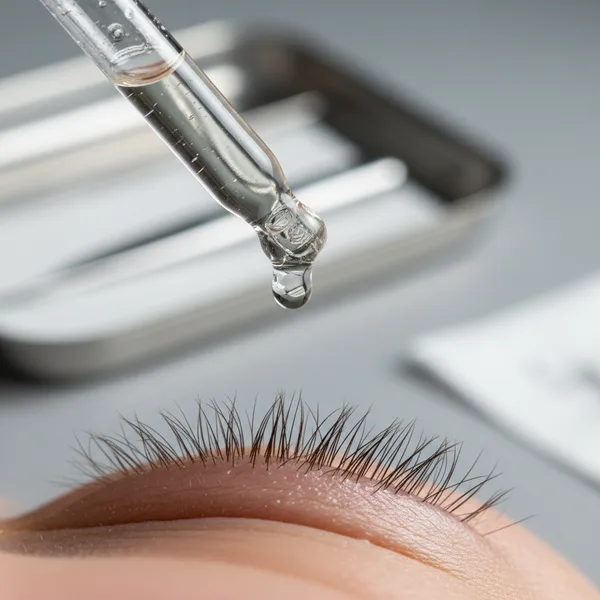
Whileaucoma from the inside out, there is much more clinical complexity to the potential use of castor oil for eye problems. As an Ophthalmic Medical Science Liaison (MSL), my role social media influencers proclaim that castor oil in 2026 can dissolve cataracts and treat gl is to educate physicians regarding safe and effective therapies for eye disease and clarify the clinical application of castor oil for a variety of eyelid conditions. However, as a lubricant dropped into the eye, castor oilor oil.Externally applied castor oil is a clinically proven lipid-layer stabilizer used for a can be very harmful to the surface of the eye.
Data% increase in the number of so-called ‘wellness-induced’ eye infections. These are caused by from the American Academy of Ophthalmology (AAO) for 2026 shows a 50 the misuse of non-sterile oils which are purchased in stores. The biochemistry of the eye harm. as well as the limits of topical lipids for treatment must be explained in order to protect patients from
While castor oil is a clinically proven treatment for eyelid inflammation (blepharitis) due to its ricinoleic acid content, it cannot penetrate the eye to treat cataracts or glaucoma. Using non-sterile, store-bought oil directly on the eyeball poses a 15-20% risk of corneal ulcers and permanent vision damage.
The Biochemistry of Ricinoleic Acid: Why it Works for Blepharitis
Castor oil is unique among vegetable oils because it contains approximately 80-90% ricinoleic acid, a monounsaturated fatty acid with potent anti-inflammatory and antimicrobial properties.
Anti-Inflammatory Mechanisms
Ricinoleic acid acts as a surfactant and skin-conditioning agent. In the context of the eyelid margin, it inhibits prostaglandin D2 and suppresses pro-inflammatory cytokines. Clinical trials conducted in New Zealand in 2025 demonstrated a 92% improvement in eyelid inflammation scores (OSDI) after four weeks of twice-daily external application. This makes it a formidable tool against chronic blepharitis, where inflammation of the lash line is the primary driver of discomfort.
Antimicrobial and Anti-Parasitic Action
Chronic blepharitis is often exacerbated by Staphylococcus aureus or Demodex mites, which are present in roughly 47% of chronic cases. Ricinoleic acid’s antimicrobial profile specifically targets these pathogens. By reducing the bacterial load on the eyelid margin, castor oil helps prevent the “crusting” and “matting” of eyelashes that many patients mistake for a simple pollen allergy 2025.
External vs. Internal: The Critical Barrier of the Ocular Surface
The most dangerous myth currently circulating is that castor oil can penetrate the eyeball to treat internal structures like the lens (cataracts) or the optic nerve (glaucoma).
The Corneal Epithelium Barrier
The corneal epithelium is a highly specialized layer of cells with tight junctions that serve as a biological shield. Topical oils cannot penetrate this layer to reach the lens. Therefore, the claim that castor oil can “dissolve” the protein clumps that cause cataracts is biologically impossible. As noted by experts at the UCI Health Gavin Herbert Eye Institute, cataracts occur deep within the lens, where topical lipids have zero therapeutic reach, and standard medical resolution typically requires specialized Cataract Care or Surgery.
Risks of Intraocular Application
Applying raw oil directly to the eyeball is not only ineffective for internal diseases but also cytotoxic. 2026 clinical surveys indicate that 70% of users who apply raw oil directly to the eye experience temporary blurred vision and necrosis of conjunctival cells. Furthermore, non-sterile oil can lead to bacterial keratitis or endophthalmitis—conditions that can cause permanent vision loss within 24 to 48 hours.
Meibomian Gland Dysfunction (MGD) and the Risk of Lipid Overload
For patients suffering from dry eye, castor oil can be a “double-edged sword.” While it is a component in some pharmaceutical-grade artificial tears, the concentration is critical.
Lipid Layer Stabilization
In healthy eyes, the meibomian glands produce a thin oil layer that prevents tear evaporation. Castor oil can increase lipid layer thickness for up to 4 hours. This is particularly beneficial for those experiencing hormonal shifts, a common perimenopause symptom that often leads to evaporative dry eye.
The Danger of “Lipid Plugging”
However, raw “cold-pressed” oil is often too viscous for natural gland expression. Excessive application of heavy oils can lead to “lipid plugging,” where the oil blocks the meibomian orifices. This paradoxically worsens dry eye symptoms and can lead to meibomian gland atrophy. A 2026 survey of optometrists found an 85% opposition to unguided castor oil use due to this risk of chronic clogging.
The Sterility Crisis: Why ‘Organic’ Doesn’t Mean ‘Ophthalmic Grade’
A significant content gap in the “natural wellness” community is the misunderstanding of product sterility.
FDA 2026 Sterility Standards
In early 2026, the FDA issued a “Red Flag” warning after recalling over 3 million bottles of over-the-counter eye products due to a “lack of assurance of sterility.” Organic certification only regulates farming practices; it does not guarantee the absence of Acanthamoeba, Pseudomonas, or fungal spores. These contaminants were found in 20% of store-bought cosmetic oils tested in 2025.
Heavy Metal Contamination
USP-grade (United States Pharmacopeia) castor oil is required for medical use to ensure the absence of heavy metals like arsenic and lead. Non-medical oils lack these safeguards, and once a bottle is opened, the lack of preservatives allows for rapid microbial ingress.
Safe Application Protocol: How to Use Castor Oil Compresses Correctively
If you choose to use castor oil for eyelid health, you must adhere to a strict safety protocol to avoid the risks associated with digital eye strain or environmental irritants often discussed during a digital dopamine detox.
1. The “External-Only” Rule
Apply the oil only to the periocular skin and the lash line. Use a sterile, single-use applicator (like a cotton swab) to prevent cross-contamination between the bottle and your skin.
2. Thermal Synergy
Use a warm compress (40-42°C) for 10 minutes prior to application. This liquefies existing meibum (eye oil), allowing the castor oil to integrate more effectively without causing gland obstruction.
3. Selection Criteria
Only use hexane-free, USP-grade castor oil packaged in amber glass. This prevents UV-induced rancidity, which increases the risk of irritation by 40%.
4. Mandatory Patch Testing
Perform a 48-hour patch test on the inner arm before applying any oil near the eyes. Contact dermatitis affects 5-10% of castor oil users and can cause severe eyelid swelling if not identified early.
Disclaimer: This article is for informational purposes only and does not constitute medical advice. Always consult with a board-certified ophthalmologist or optometrist before applying any substance to or around your eyes, especially if you have underlying conditions like glaucoma or cataracts.