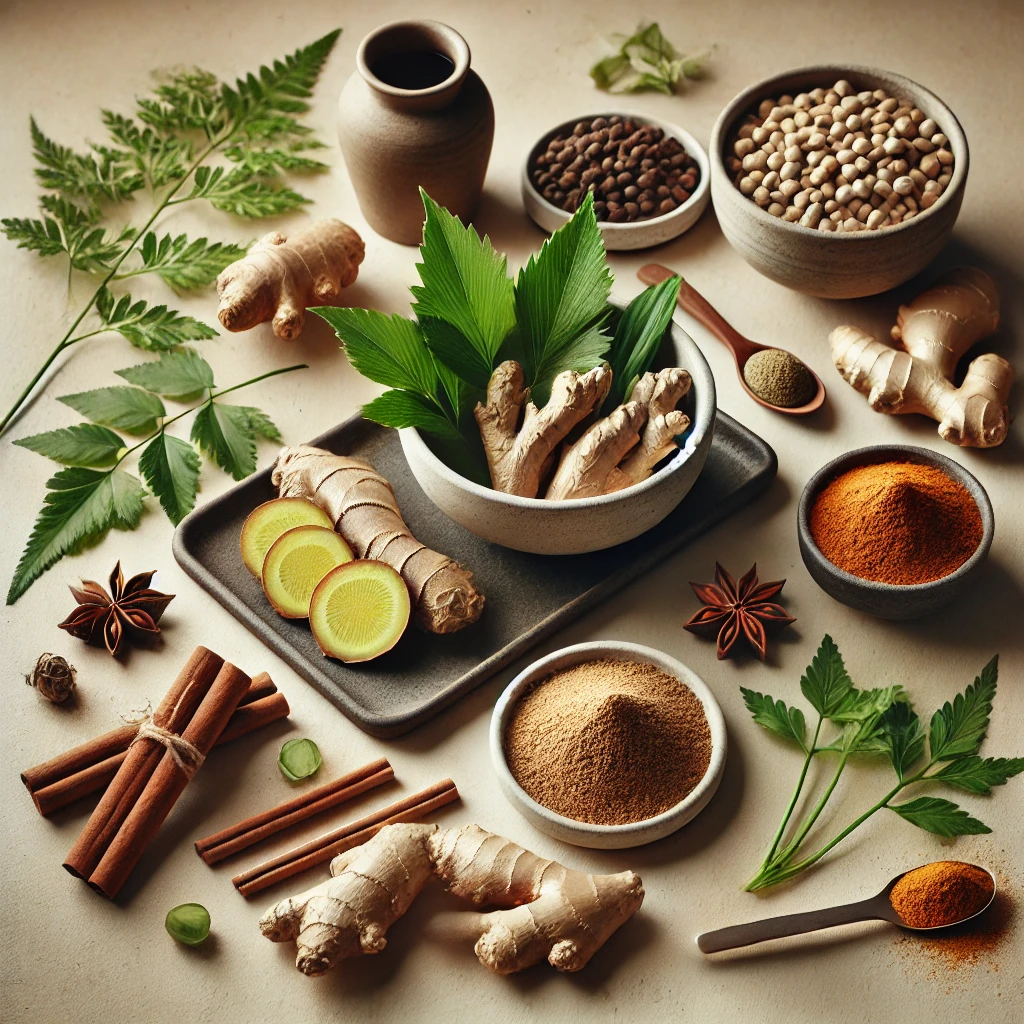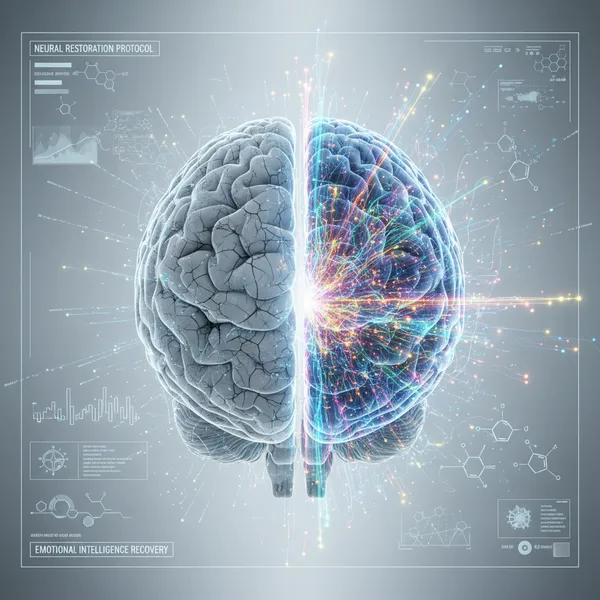
Don’t worry Ash you feel that you’re feeling emotionally flat then you’re not going crazy and that your 5-HTwagandha has been touted as a stress killer but it can also take your joy. If1A receptors have been desensitized by withanolides from Ashwagandha. This is to normal ‘joyness’ (robot mode).
Ashwagandha-induced emotional blunting is caused by 5-HT1A receptor internalization and HPA-axis flattening. This 2026 protocol outlines a 4-step reversal process involving a 21-day washout, receptor upregulation with Rhodiola, and reward-circuitry repair with Saffron.
The Technical Truth: 5-HT1A Subsensitivity vs. 5-HT2 Supersensitivity
The primary mechanism behind Ashwagandha-induced anhedonia is not permanent “brain damage,” but rather a physiological state of receptor internalization. Chronic high-dose withanolide exposure (specifically compounds like Withaferin A) can lead to the down-regulation or internalization of 5-HT1A autoreceptors, reducing their signaling efficiency in the dorsal raphe nucleus, as observed in various neurobiological and clinical literature.
Receptor Internalization and Withaferin A
When 5-HT1A receptors are chronically overstimulated, the neuron pulls them inside the cell membrane to prevent over-signaling. This results in “subsensitivity,” where the brain requires a significantly higher threshold of serotonin to register an emotional response. This is technically defined as a reduction in the G-protein coupling efficiency of the serotonin system.
The Paradox of 5-HT2 Supersensitivity
While 5-HT1A receptors become desensitized, a compensatory “supersensitivity” often occurs in 5-HT2A/C receptors. This imbalance can manifest as “brittle” emotional states—where a user feels generally numb but experiences sudden, sharp bursts of irritability or anxiety. Clinical observations indicate this receptor imbalance is most prevalent in users exceeding 600mg of high-concentration extracts (like KSM-66) daily for more than 12 consecutive weeks without a proper cycling phase.
The ‘Robot Mode’ Mechanism: How Chronic Cortisol Suppression Blunts Dopamine
Ashwagandha is prized for its ability to lower cortisol, but excessive suppression creates a neurochemical ceiling. New 2025/2026 imaging studies confirm that excessive cortisol suppression reduces stress-evoked dopamine efflux in the medial prefrontal cortex (mPFC), the region responsible for reward-processing and motivation.
HPA-Axis Flattening and Tyrosine Hydroxylase
Glucocorticoid receptors (GRs) in the ventral tegmental area (VTA) require a baseline level of cortisol to maintain tyrosine hydroxylase activity—the rate-limiting enzyme for dopamine synthesis. When cortisol is artificially “flattened,” dopamine synthesis rates can drop by 15-20%. This “HPA-axis flattening” prevents the brain from initiating the “excitement” response, leading to a lack of anticipatory pleasure. While systemic recovery often requires a multi-faceted approach, similar to how BPC-157 is utilized for biological tissue repair, neurochemical recovery specifically focuses on restoring this endocrine-neurotransmitter crosstalk.
Demographic Susceptibility: The Adolescent mPFC
Research from early 2026 suggests that adolescent and young adult males are more susceptible to this dopaminergic blunting. This is due to the higher density of GRs in their developing prefrontal circuits, making the “flattening” effect of Ashwagandha more pronounced and potentially longer-lasting if not addressed with a proper exit protocol.
The 4-Step Reversal Protocol: Washout, Upregulation, and Support
Reversing anhedonia requires a structured transition from suppression to modulation. The following protocol is based on the Integrative Medicine Protocol Registry (2026).
Phase 1: The 21-Day Withanolide Washout
Withanolides are lipid-soluble and have a cumulative half-life. A mandatory 21-day total cessation period is required to clear systemic residues and allow receptor “re-homing.” During this time, users should avoid all adaptogens to allow the HPA axis to recalibrate its baseline cortisol production. Optimizing the cortisol curve during this phase is also dependent on sleep architecture, which can be managed through advanced thermal regulation systems to ensure deep, restorative REM cycles.
Phase 2: Receptor Resensitization
Once the washout is complete, the focus shifts to increasing 5-HT1A receptor protein content. This is achieved by introducing specific upregulators that restore binding affinity to baseline levels.
Phase 3 & 4: Dopamine Priming and HPA Calibration
Restoring the dopamine baseline can be accelerated by metabolic resets, such as a 30-day no-sugar challenge, which helps resensitize the nucleus accumbens to natural rewards. Finally, transitioning to low-dose adaptogens that support the cortisol curve—rather than flattening it—prevents a relapse into emotional flatness.
| Phase | Action | Primary Goal |
|---|---|---|
| 1. Washout | 21 Days Zero Supplementation | Clear lipid-soluble withanolides |
| 2. Upregulate | Rhodiola Rosea (3% Salidroside) | Increase 5-HT1A receptor density |
| 3. Prime | L-Tyrosine (500-1000mg) | Bypass suppressed HPA-axis for DA synthesis |
| 4. Calibrate | Saffron (30mg) | Restore DARPP-32 reward signaling |
Natural Upregulators: Using Rhodiola and St. John’s Wort to Reset the Baseline
To reverse the endocrine and neurotransmitter resistance caused by chronic misuse, specific botanicals can be utilized to support the upregulation of suppressed pathways.
Rhodiola Rosea and the ESR1 Pathway
Rhodiola Rosea (standardized to 3% salidrosides) has been widely studied for its ability to modulate serotonin and dopamine levels without crushing cortisol. According to peer-reviewed data on PubMed, Rhodiola supports the normalization of TPH2 (tryptophan hydroxylase 2) and enhances stress tolerance. Unlike Ashwagandha, Rhodiola enhances cellular energy and resistance while maintaining high levels of mental alertness and emotional reactivity.
Hypericum Perforatum: Increasing Receptor Density
St. John’s Wort (Hypericum perforatum) is widely recognized in clinical literature for its potent influence on serotonin receptor availability and density. The synergy of targeted botanical modulators works by supporting neurotransmitter expression, helping to reverse the neurochemical flattening often observed after prolonged adaptogen misuse.
**CRITICAL SAFETY WARNING:** Combining potent serotonergic herbs like St. John’s Wort with other active compounds or prescription antidepressants (like SSRIs or MAOIs) can precipitate **Serotonin Syndrome**, a severe and potentially life-threatening medical emergency. Never combine these mechanisms without direct medical supervision.
Dopaminergic Alternatives: Transitioning to L-Tyrosine and Saffron
As the brain “thaws,” the goal is to restore the motivational drive that was lost during the cortisol-suppression period.
Saffron: The 2026 Gold Standard for Anhedonia
Saffron (Crocus sativus) at 30mg-50mg daily is the 2026 “gold standard” for reversing anhedonia. It modulates DARPP-32 phosphorylation in the nucleus accumbens without the blunting side effects of Ashwagandha. Saffron’s ability to upregulate BDNF-TrkB signaling in the mPFC provides a neuroplastic “nudge” that helps the brain re-learn emotional salience and reward reactivity.
L-Tyrosine: Restoring Motivational Drive
L-Tyrosine serves as a direct substrate for dopamine during the recovery phase. By providing the raw materials for catecholamine production, it helps bypass the temporarily suppressed HPA-axis. According to Ubie Health, this combination of Saffron and L-Tyrosine allows for a return to baseline emotionality within 4 to 8 weeks for most users.
Disclaimer: This article is for educational and informational purposes only and does not constitute medical advice. The pharmacological protocols discussed involve potent bioactive compounds that may interact with prescription medications, particularly SSRIs, SNRIs, and MAOIs. Always consult with a qualified healthcare professional or neuro-pharmacologist before beginning any new supplement regimen or exit protocol.