
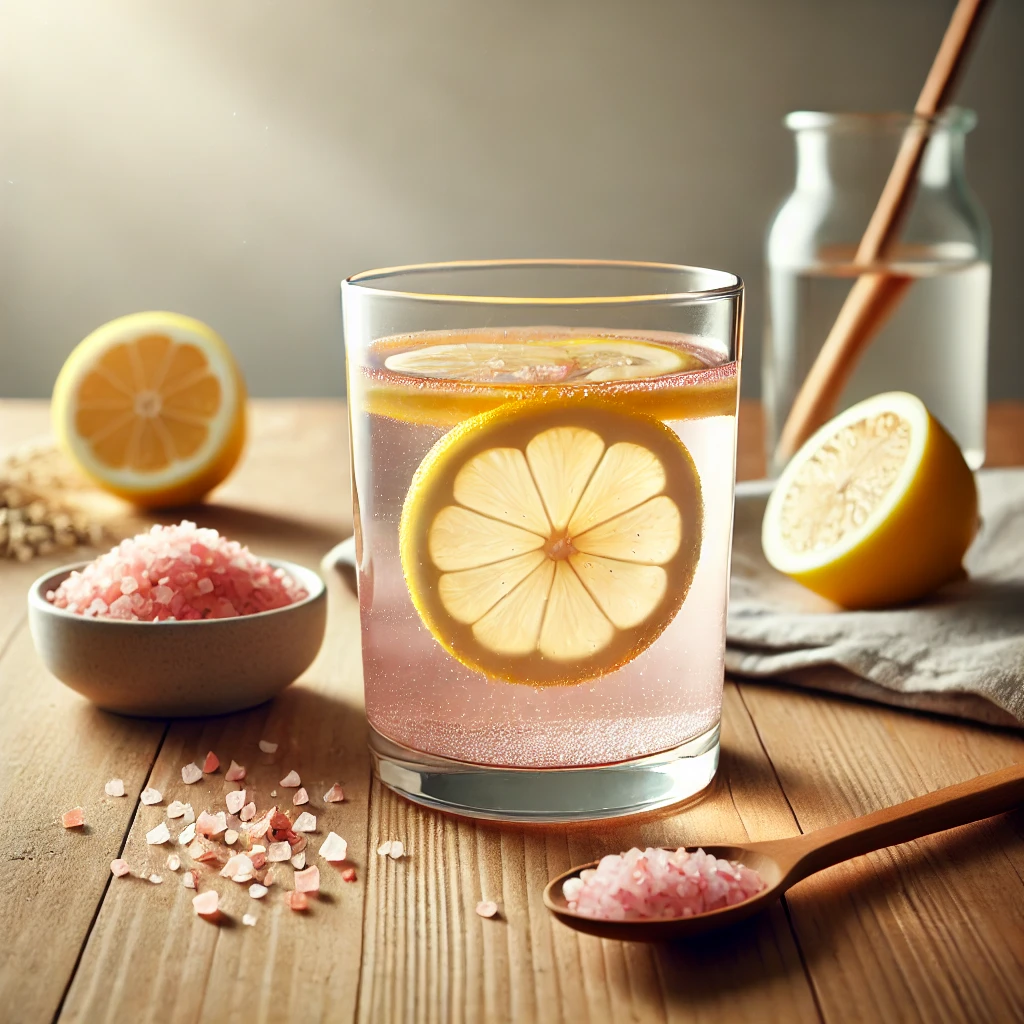
People usually search for a pink salt weight loss recipe when they want a simple drink that might make weight management easier. This rebuild starts from a cleaner baseline: pink salt water is not a shortcut for fat loss, but the trend can still be explained in a useful way. The better question is what the trend actually refers to, what hydration may help with in real life, where sodium deserves caution, and which tools are more useful if you want a practical next step.
What the trend is
In the source material behind this rebuild, the viral trend is described as a drink built around pink Himalayan salt mixed with water and, in some versions, a few familiar kitchen add-ins. Yahoo’s trend coverage shows how the mixture is often framed online: as a quick morning habit that supposedly supports weight loss. The same source document also points to a 10News fact-check that found no verified evidence Oprah promoted the trend herself, which matters because celebrity framing can make a viral idea sound more established than it really is.
What it can realistically do
At most, a habit like this may help some people pay more attention to hydration, meal timing, or what they are drinking through the day. That is a routine effect, not proof that pink salt has a special fat-loss property. If someone feels more organized after starting a morning drink, the realistic explanation is usually that they changed a routine, not that one ingredient suddenly changed how weight loss works.
The source document also draws on Today’s dietitian-based coverage, which makes the larger point clearly: lasting weight change comes from overall eating patterns, activity, sleep, and consistency rather than from one drink.
What it cannot do
Pink salt water cannot replace calorie awareness, food quality, movement, sleep, or longer-term habit change. It does not turn hydration into a unique weight-loss mechanism, and it does not make a viral recipe more reliable just because the drink looks simple. If the scale changes after someone starts a new routine, that change is more likely tied to broader behavior shifts, fluid fluctuations, or what else changed alongside the drink.
Risks, especially sodium
The source material spends significant time on safety, and the main practical issue is straightforward: pink Himalayan salt is still salt. Trace minerals do not change the fact that adding salt to a drink also adds sodium.
- If you already try to keep sodium intake modest, a daily salty drink may not fit that goal very well.
- Using more of the drink does not make the weight-loss claim stronger; it only increases sodium intake.
- If the main goal is hydration, plain water is usually the simpler option.
Better alternatives
A more useful response to the trend is to move from curiosity into measurement. Start by estimating a practical daily calorie range. Then compare your maintenance estimate in the BMR & TDEE Calculator and add body-composition context with the Body Fat Calculator. Those tools are better suited to realistic planning than any viral salt-and-water shortcut.
That shift in focus matches the strongest parts of the source document: weight change is usually better understood through repeatable habits and better planning than through a single trending ingredient.
FAQ
Is pink salt water a proven weight-loss drink?
No. The source material does not support treating it as a proven fat-loss method, and the cited expert commentary does not frame it as a reliable strategy for long-term weight change.
Why do some people say it helped them?
A new routine can make people more aware of hydration, meal timing, or sugary drinks. That can feel helpful, but it is different from showing that pink salt itself caused fat loss.
Is pink Himalayan salt special for weight loss?
Not in any reliable way. The source document notes the mineral-content talking point that often appears in trend articles, but it does not change the bigger limitation: salt water is still not a shortcut for sustainable weight management.
The clean takeaway is simple: this trend is better understood as a hydration-and-expectations topic than as a true weight-loss solution. Keeping expectations realistic is more useful than chasing hype.
Related planning tools and neutral guides
If you want a safer next step after reading about the pink salt trend, use the tools and neutral guides below for calorie context, metabolism estimates, body-composition comparison, and practical habit tracking.