Introduction
This guide keeps the focus on tracking and planning, not on trying to “fix” your cycle with a perfect luteal-phase diet. The luteal phase is the part of the menstrual cycle after ovulation and before your next period, and many people notice changes in appetite, cravings, energy, sleep, bloating, or food preferences during this time.
Instead of treating luteal phase foods as a strict list of rules, use them as a way to build more realistic meals, notice repeat patterns, and make your next cycle easier to plan.
If you want the timing side first, use the luteal phase tracker to estimate where you are in your cycle, then come back here to plan food around what you tend to notice.
What is the luteal phase?
The luteal phase usually refers to the days between ovulation and your next period. It often lasts around two weeks, but exact timing varies from person to person and from cycle to cycle.
Some people notice bigger appetite shifts during this phase. Others notice changes more in sleep, mood, bloating, or routine. That is why pattern-tracking is more useful than assuming the same food plan works the same way every month.
Use the luteal phase tracker first
The most practical way to use this page is to pair it with a timing tool. Start by using the luteal phase tracker to estimate your cycle phase, then log symptoms and patterns so you can compare what tends to happen in early luteal versus the days closer to your period.
- Track your cycle timing
- Note cravings, appetite changes, and meal timing
- Compare energy, sleep, bloating, and mood with the food choices that felt easiest that week
- Look for repeat patterns across at least two or three cycles
What to track with luteal phase foods
You do not need a perfect food diary. Short, repeatable notes usually work better than trying to record everything.
- Hunger level and whether meals feel satisfying
- Cravings, especially in the afternoon or evening
- Energy dips, sleep changes, or feeling less steady between meals
- Bloating, digestion, or how comfortable different meal sizes feel
- Foods that feel especially easy to repeat during this phase
- Any routine changes such as stress, travel, workouts, or less sleep
If you want a simple way to do this, track your cycle first and then keep one short note each day about food, energy, and your top symptom.
Patterns to notice
- Do cravings show up at about the same point before your period?
- Do you feel better with regular meals and snacks during luteal days?
- Are warm, simple meals easier to tolerate than lighter meals or long gaps without food?
- Do late-night snacks, caffeine, or alcohol line up with worse sleep for you personally?
- Do certain breakfasts or snacks help you feel more steady through the afternoon?
- Does your appetite change more in early luteal or late luteal?
These patterns matter more than generic food rules. The goal is to notice what repeats and plan around it next cycle.
What to expect
Not every cycle will feel the same. Some months you may barely notice appetite changes, while other months cravings or lower energy feel much more obvious.
- Appetite can feel higher, lower, or just different from your usual pattern
- Food preferences may shift toward comfort foods, regular snacks, or simpler meals
- Some people notice sleep and cravings change together
- The days just before a period may feel different from the earlier part of the luteal phase
- Irregular cycles can still show useful patterns even when exact timing moves around
How to plan meals without overcomplicating it
A useful luteal-phase food plan does not need special products or a strict menu. Start with a few balanced meals and snacks you can repeat when appetite, cravings, or energy shift.
- Build meals around protein, fiber-rich carbohydrates, and fats that help the meal feel more filling
- Keep easy options available for lower-energy days, such as yogurt, eggs, oats, soups, rice bowls, toast, fruit, nuts, or leftovers
- Use snacks to bridge long gaps if that helps you feel steadier through the day
- Adapt portions and timing to what feels practical for you rather than forcing a perfect schedule
Food ideas to test during luteal days
Use these as planning prompts, not rules.
Breakfast ideas
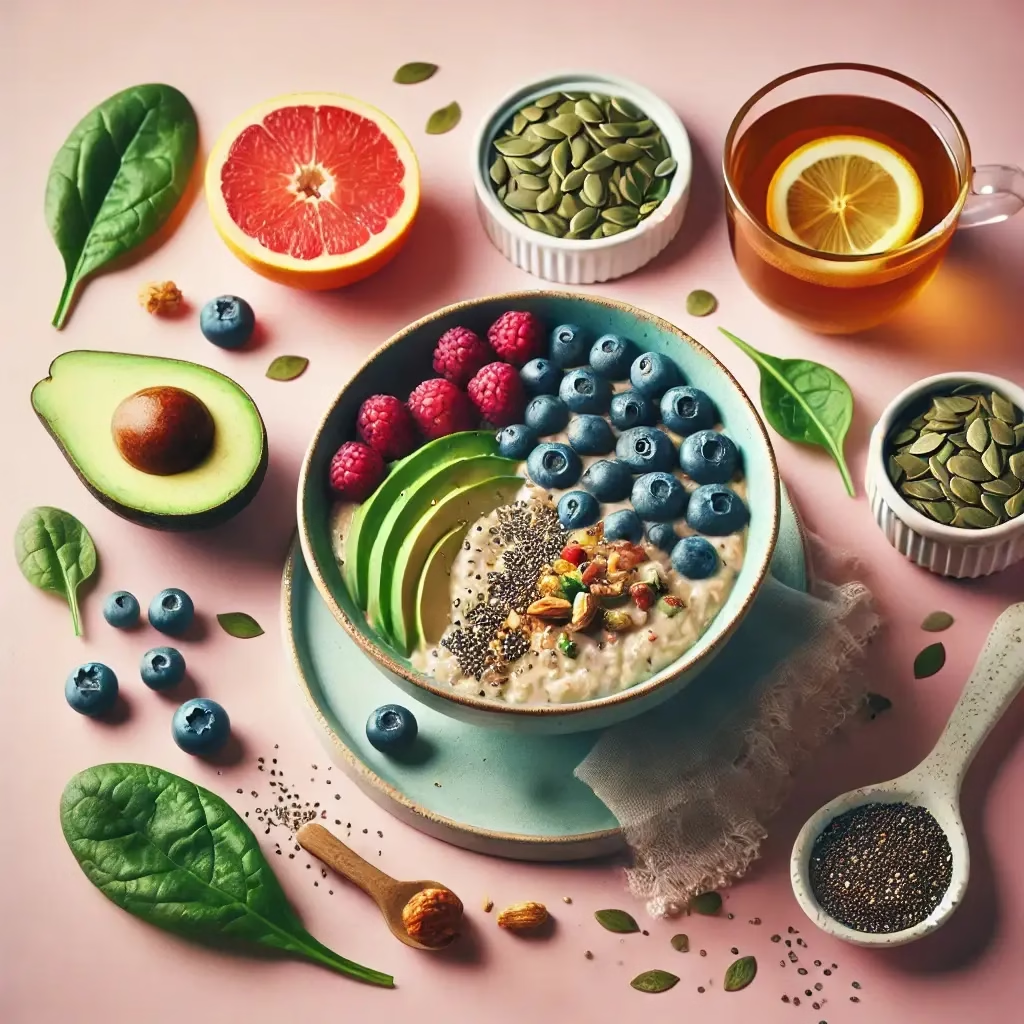
- Oatmeal with fruit, seeds, and yogurt or nut butter
- Eggs or tofu with toast and fruit
- Greek yogurt, chia, and berries
- A smoothie plus toast or another filling side if a drink alone is not enough
Lunch and dinner ideas
- Rice or quinoa bowls with beans, chicken, tofu, or fish and vegetables
- Soup, stew, or chili with bread or potatoes
- Pasta with vegetables and a protein source
- Leftover grain bowls or wraps for days when cooking feels harder
Snack ideas
- Fruit with nuts or nut butter
- Yogurt with granola
- Cheese and crackers or hummus with toast
- Dark chocolate, popcorn, or another satisfying snack paired with something more filling if needed
How to review one cycle and plan the next
- Use the luteal phase tracker to estimate when your luteal days began.
- Look back at the days when cravings, appetite changes, or lower energy felt strongest.
- Write down two or three meals or snacks that felt easiest to repeat.
- Keep one note for next cycle, such as “plan bigger afternoon snacks” or “prep easier dinners before late luteal days.”
Related cycle planning
Food planning is only one part of the picture. To make this page more useful, pair it with timing and symptom tracking.
- Use the luteal phase tracker to estimate timing and log symptoms and patterns
- If your cycle timing has become more variable, read the perimenopause symptoms guide for broader tracking and awareness context
- For a wider cycle-pattern overview, see FemTech apps and cycle sync signs
FAQs About the Luteal Phase
Do I need a special luteal phase diet?
No. Most people do better with a simple, repeatable plan than with a strict “phase diet.” Use this page to test what foods and meal timing feel most practical during luteal days.
What if my appetite changes a lot before my period?
That can be a useful pattern to log. Try noting when the change starts, what time of day it feels strongest, and which meals or snacks help you feel more steady.
Should I avoid specific foods?
There is no single list that fits everyone. If you notice that certain foods line up with worse sleep, bloating, or less steady energy for you, make a note and compare the pattern across a few cycles before changing too many things at once.
Final Thoughts
The safest way to use luteal phase foods is as a planning tool, not a promise. Track your cycle, notice what repeats, and build a short list of meals and snacks that feel easier to repeat when your appetite, cravings, or energy shift.
If you want to connect food observations to timing, use the free luteal phase tracker to estimate your cycle phase and log symptoms and patterns over time.
Sources
- NHS: Periods and fertility in the menstrual cycle
- Office on Women’s Health: Your menstrual cycle
- Mayo Clinic: Menstrual cycle: what’s normal, what’s not
This page is for education and planning only. It does not diagnose hormone issues, confirm ovulation, or replace medical advice.
Related cycle-support pages
This page stays focused on food planning and pattern tracking in the luteal phase. Use the luteal phase tracker first when you want to connect appetite, cravings, and symptom timing.