Introduction: The Link Between Fasting and Menstrual Health
Benefits of fasting while on your period can go beyond weight management — science shows it supports hormone balance, reduces inflammation, and promotes better energy.If you’re practicing intermittent fasting, you can also use our Intermittent Fasting Timer Online to make it easier to stay on track.
Intermittent fasting serves as an effective method which helps people increase their energy levels while enhancing digestion and promoting longer life expectancy. The menstrual cycle of women creates a complex interaction between fasting and hormonal processes. The NIH and Harvard Medical School will publish additional research in 2025 which demonstrates how women can practice safe fasting while respecting their natural bodily cycles.
The menstrual cycle functions as an indicator of reproductive health while demonstrating how your body regulates hormonal and metabolic processes. The knowledge of fasting effects on this cycle will help you achieve better physical and emotional health.
Is It Safe to Fast During Your Period?
Yes — but with mindful adjustments. Fasting while menstruating can be safe for most healthy women if it’s done gently and cyclically. The key lies in listening to your body and understanding your hormonal phases.
During your period, estrogen and progesterone levels drop. This may lead to lower energy and cravings. Overly strict fasting (like prolonged dry fasting) can elevate cortisol levels and create stress in the body. However, shorter fasting windows (12–14 hours) or modified fasts that include hydration and light nourishment can help stabilize blood sugar and reduce inflammation.
According to Harvard Medical School, intermittent fasting can support metabolic and hormonal health when practiced correctly.
What Happens to Your Body During Menstruation
The body needs to use energy and nutrients to shed the uterine lining that comes out during menstruation. The reduction of estrogen levels creates lower serotonin levels which results in mood changes and fatigue. The body may experience weakness because of iron deficiency. The knowledge of these natural body changes enables you to create a fasting schedule which benefits your body instead of causing harm.
These natural shifts explain why the benefits of fasting while on your period are closely tied to hormonal balance.
How Fasting Affects Female Hormones
Fasting can help rebalance insulin and cortisol, two hormones that indirectly influence estrogen and progesterone. Studies show that intermittent fasting improves insulin sensitivity, which stabilizes mood and reduces PMS symptoms. Moreover, fasting triggers autophagy, a cellular cleanup process that helps regulate inflammation and skin health.
Research shows the benefits of fasting while on your period extend beyond energy management, helping regulate cortisol and estrogen.
NIH research also highlights how intermittent fasting influences hormonal regulation.
Top 5 Science-Backed Benefits of Fasting While on Your Period”
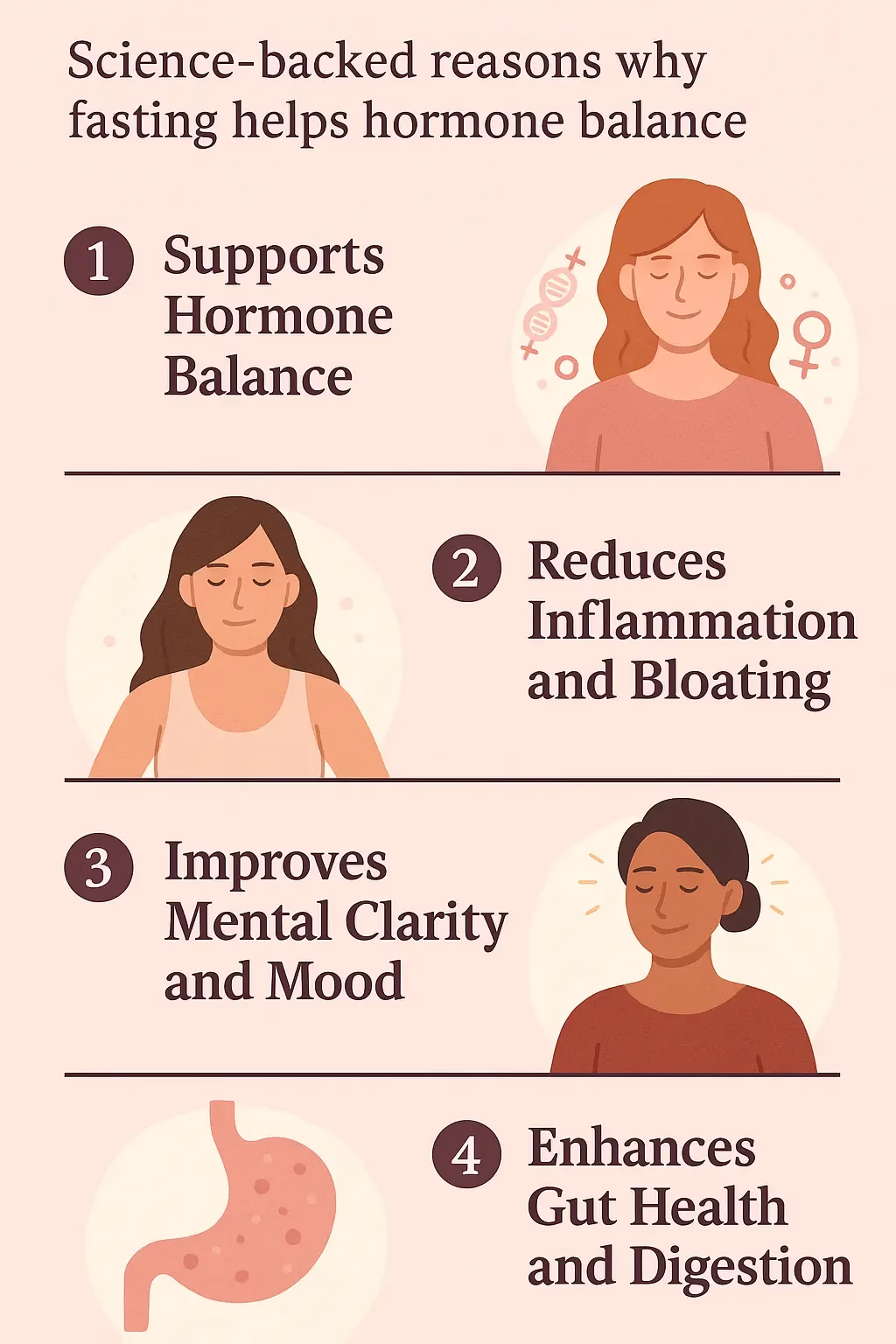
1. Supports Hormone Balance
The practice of fasting enables your body to restore its natural sensitivity to insulin and leptin which helps decrease estrogen dominance that causes PMS symptoms and weight gain and cycle irregularities. Dr. Mindy Pelz states that women achieve the best results from fasting when they do it during the follicular phase which occurs immediately after their menstrual period because estrogen levels increase to boost fat burning and mental focus.
2. Reduces Inflammation and Bloating
Water retention and digestive sluggishness are common period complaints. Fasting lowers systemic inflammation markers and gives the digestive system a break, helping reduce bloating and cramps.
3. Improves Mental Clarity and Mood
Hormonal changes in the body affect how much serotonin and dopamine exist in the brain. Women who practice fasting to stabilize their blood sugar levels tend to experience reduced mood swings and improved mental clarity and enhanced emotional stability.
4. Enhances Gut Health and Digestion
Fasting gives your digestive system time to rest, allowing beneficial gut bacteria to flourish. Your gut-brain axis becomes stronger through this practice which enables better hormone communication and emotional stability.
5. Promotes Cellular Detox and Clearer Skin
The process of fasting activates autophagy which causes cells to start repairing and detoxifying their structures. The process results in improved skin clarity and reduced acne and enhanced skin brightness which many women have reported after practicing cycle-synced fasting.
When Should You Avoid Fasting During Your Cycle?
Avoid fasting during heavy flow days (Days 1–2). Your body is using energy to repair and regenerate. Instead, focus on hydration, electrolytes, and rest.
Luteal Phase: Adjusting Your Fasting Window
During the luteal phase (10–14 days before your period), progesterone is dominant. This hormone increases hunger and slows metabolism slightly. Opt for shorter fasts (10–12 hours) or skip fasting entirely if you feel drained.
Best Time to Fast After Your Period
The follicular phase (Days 6–14) is the best time for fasting. Energy rises as estrogen peaks, improving fat metabolism and focus. A 14–16-hour fasting window works well during this time.
For better results, here’s a guide on How to Track Intermittent Fasting Online.
What to Eat While Fasting on Your Period
Fuel your body with nutrient-rich foods when breaking your fast:
Iron-rich foods: spinach, lentils, and lean meats
Healthy fats: avocado, nuts, and olive oil
Electrolytes: coconut water and sea salt
Magnesium: dark chocolate and pumpkin seeds
Avoid excessive caffeine or processed sugar — they can worsen cramps and blood sugar instability.
Common Myths About Fasting and Periods
| Myth | Reality |
|---|---|
| Fasting stops your period | Not true unless done excessively or with severe calorie restriction. |
| You can’t fast during menstruation | You can — just shorten your window and listen to your body. |
| Fasting causes hormonal imbalance | When cycle-synced, fasting actually supports balance. |
Expert Opinions: NIH, Harvard, and Mindy Pelz
NIH studies show intermittent fasting supports metabolic and reproductive health.
Harvard Health reports fasting helps regulate blood sugar and inflammation.
Dr. Mindy Pelz, a women’s fasting expert, recommends “cycle syncing” — adjusting fasting windows to hormonal phases.
FAQs About Fasting During Your Period
1. Can fasting make my period irregular?
2. How long should I fast while on my period?
3. What breaks a fast safely during your period?
4. Should I take supplements while fasting?
5. Can fasting reduce PMS?
6. Is dry fasting recommended?
Conclusion: Listening to Your Body is Key
The wellness practice of fasting works as an effective method yet it requires individualized approaches for different people. Every woman has her own unique hormonal change process. The best approach?Listen to your body signals to determine when you should modify your fasting plan according to your natural bodily rhythms.
In short, listening to your body while practicing mindful fasting ensures you enjoy the full benefits of fasting while on your period without harming your health.
Related fasting and cycle-planning tools
If you want a practical next step after reading about fasting during your period, use the tools below to track fasting windows, compare calorie context, estimate maintenance needs, and log cycle timing.